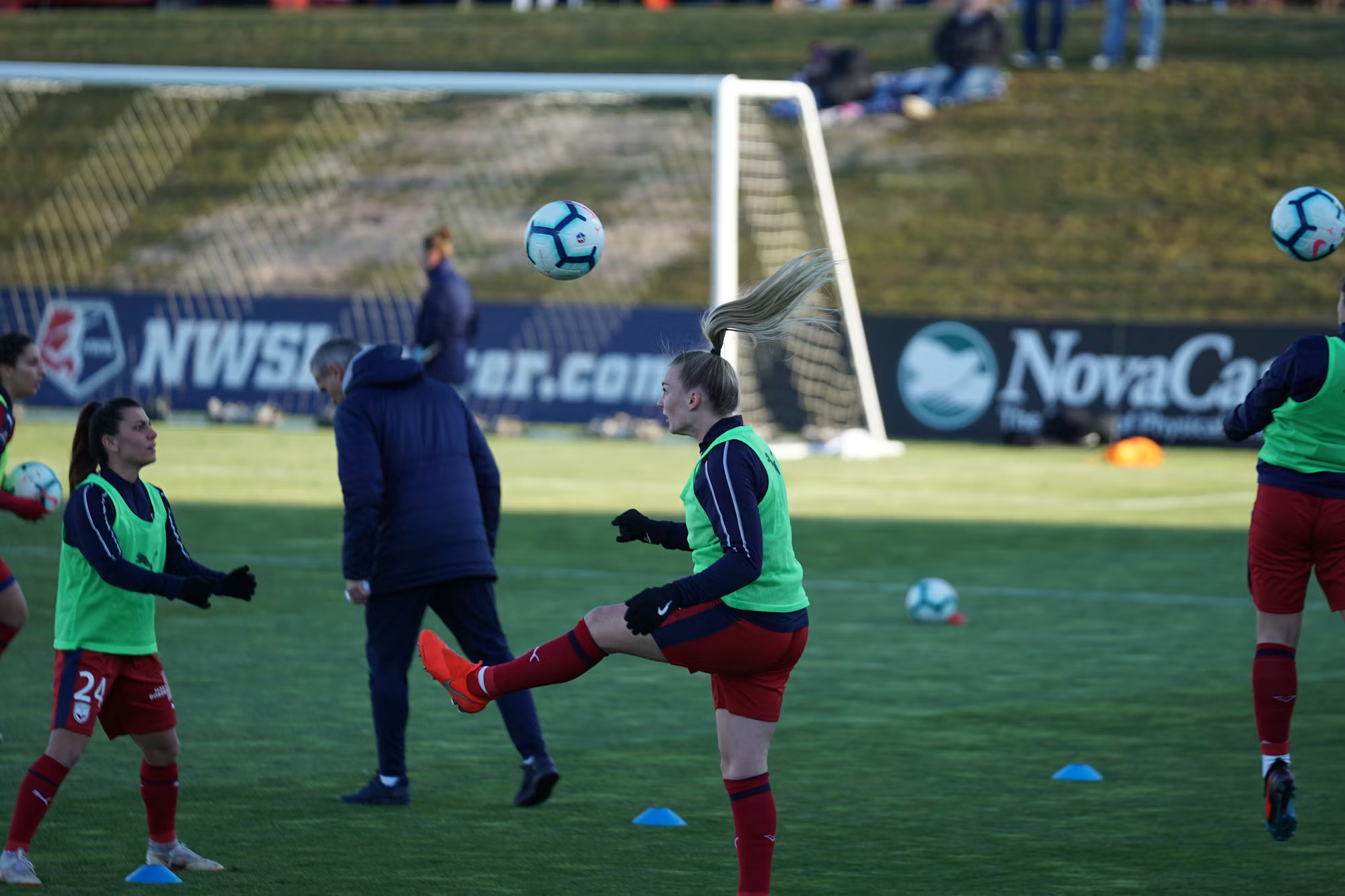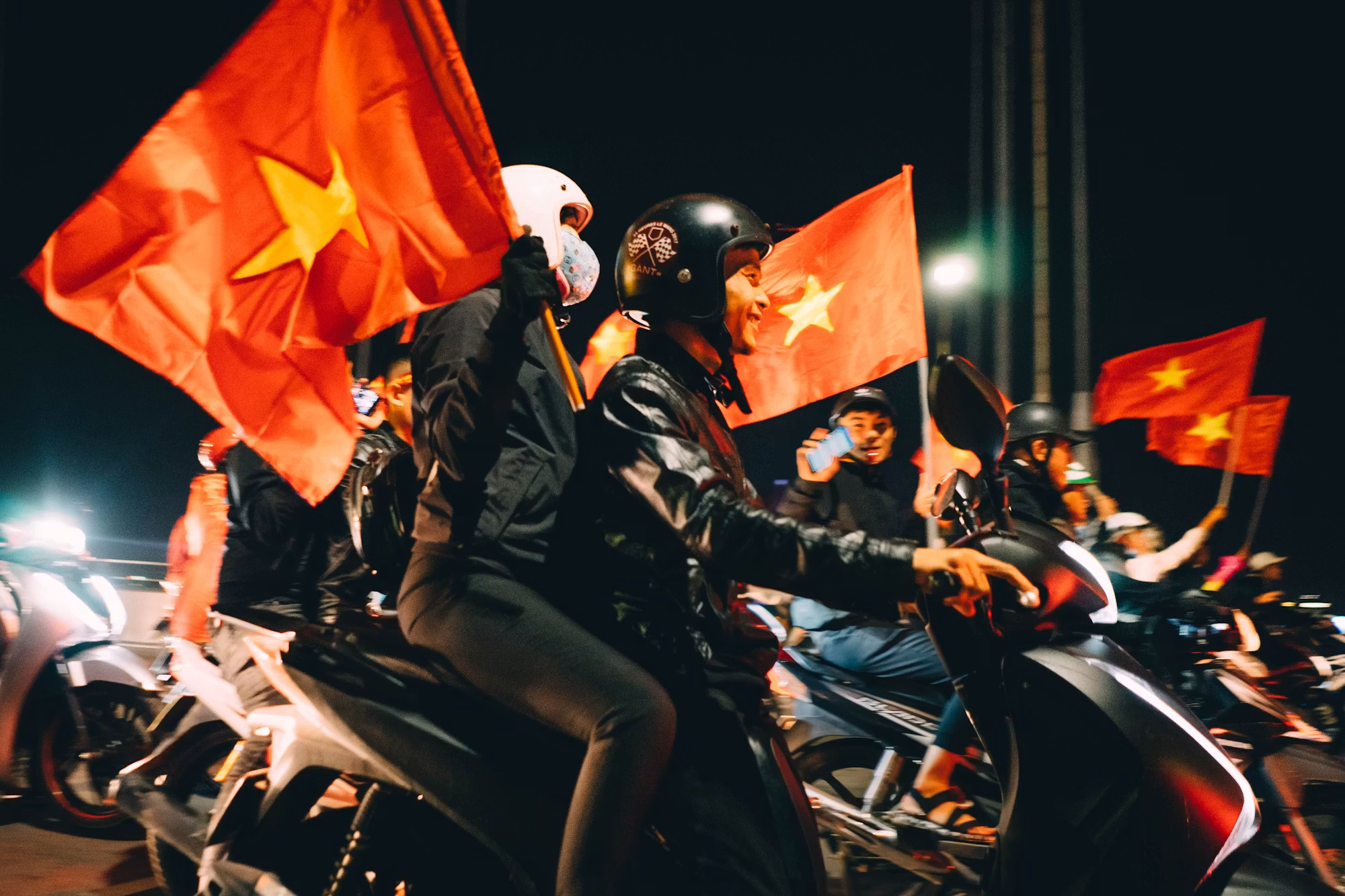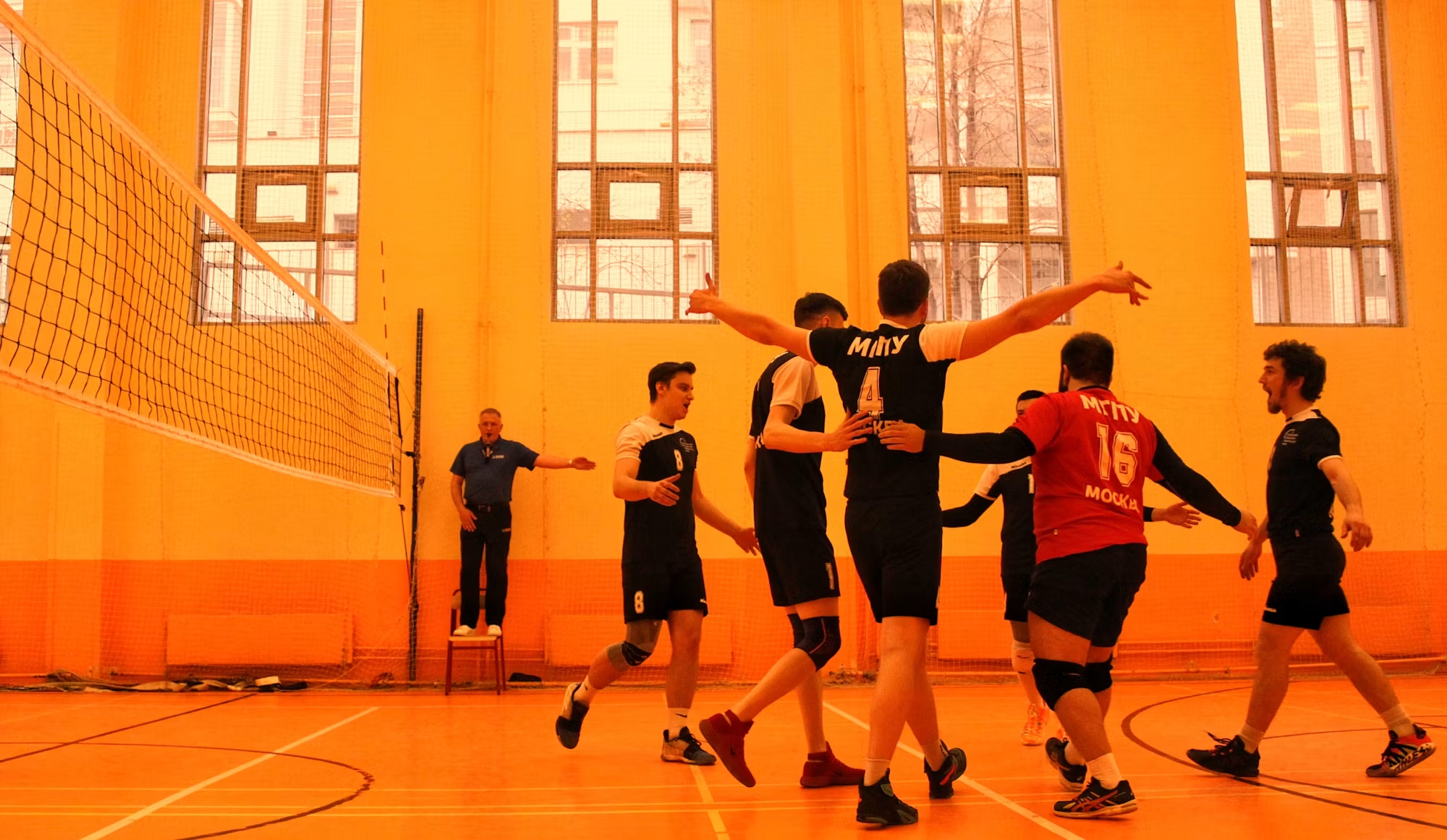

Soccer, known globally as football, is more than just a sport; it is a cultural phenomenon that unites people across continents. The passion for the game transcends borders, languages, and social classes, creating a unique tapestry of traditions, rivalries, and emotions. This article explores the rich culture surrounding soccer, examining how it shapes identities, fosters community, and influences societies around the world.
The Global Language of Soccer
At its core, soccer speaks a universal language. From the streets of Brazil to the parks of England, children and adults alike come together to play the game, sharing joy and camaraderie. The simplicity of soccer—requiring only a ball and an open space—makes it accessible to everyone. This inclusivity is one of the key reasons why soccer has become the most popular sport on the planet.
The global appeal of soccer is further enhanced by international competitions like the FIFA World Cup and continental tournaments such as the UEFA European Championship and Copa America. These events draw millions of viewers, fostering a sense of unity among fans who rally behind their national teams. The shared experience of watching these tournaments creates lasting bonds and collective memories that resonate deeply within communities.
Fan Engagement: A Passionate Community
The heart of soccer culture lies in its passionate fans. Supporters are more than just spectators; they are vital participants in the game. The intensity with which fans support their teams can create an electric atmosphere in stadiums, turning matches into communal celebrations. Fans invest their time, money, and emotions into their clubs, often forming lifelong loyalties.
Chants, songs, and rituals characterize the unique identities of different fan bases. From the famous “You’ll Never Walk Alone” sung by Liverpool fans to the vibrant tifos displayed by Italian ultras, these expressions of support enhance the matchday experience. Fans also engage in various forms of social media and online forums, discussing tactics, player performances, and upcoming fixtures, further solidifying their connection to the sport.
Rivalries: The Essence of Competition
Rivalries are a significant aspect of soccer culture, fueling the passion and intensity of matches. Iconic rivalries such as El Clásico (Barcelona vs. Real Madrid), the North West Derby (Liverpool vs. Manchester United), and the Milan Derby (AC Milan vs. Inter Milan) evoke fierce emotions and attract global attention. These matches often carry historical significance, representing not just sporting competition but cultural and regional identities.
The atmosphere during these rivalry matches is palpable, with fans going to great lengths to support their teams. From elaborate displays to intense banter, the spirit of competition brings communities together while also highlighting the divide between rival factions. However, it is essential to remember that, while rivalries can lead to fierce competition, they also remind us of the shared love for the game.
Traditions and Superstitions
Soccer culture is rich with traditions and superstitions that players and fans alike hold dear. From wearing lucky jerseys to performing specific rituals before matches, these practices are often rooted in the belief that they can influence outcomes. Some players may refuse to change their pre-game routines, while fans may have particular seating arrangements that they adhere to during matches.
In many cultures, matchday traditions are steeped in family and community gatherings. In countries like Argentina, it is common for families to come together to share a meal and watch their beloved teams play. These traditions not only enhance the matchday experience but also serve to strengthen bonds within families and communities.
The Emotional Connection
The emotional connection to soccer runs deep. For many, the sport represents hope, joy, and a sense of belonging. Soccer has the power to evoke a range of emotions, from the ecstasy of victory to the heartbreak of defeat. The highs and lows experienced by fans create a rollercoaster of feelings that become part of their identities.
This emotional connection is especially evident in moments of triumph. Whether it’s a last-minute goal that secures victory or a national team lifting a trophy, these instances become etched in the collective memory of supporters. Conversely, losses can be equally impactful, prompting reflection and solidarity among fans as they navigate disappointment together.
Soccer as a Catalyst for Change
Beyond the excitement on the pitch, soccer has the potential to drive social change. Many players and clubs use their platforms to raise awareness about important issues, advocating for equality, social justice, and community development. Initiatives like the “Kick It Out” campaign in England aim to combat racism and discrimination in the sport, fostering inclusivity at all levels of play.
Clubs often engage in community outreach programs, using soccer as a tool for education and empowerment. These initiatives can help provide opportunities for underprivileged youth, offering them pathways to success through sport. By leveraging their influence, soccer organizations contribute to positive social change, showcasing the sport’s capacity to make a difference beyond the field.
The Role of Media and Technology
The rise of media and technology has transformed how fans engage with soccer culture. Live broadcasts, social media, and streaming services have made it easier than ever for supporters to follow their teams. This accessibility allows fans to connect with the game in real-time, participating in discussions and sharing their experiences online.
Documentaries, podcasts, and online content have also enriched soccer culture, providing deeper insights into players, clubs, and historical moments. Fans can explore the rich narratives that shape the sport, creating a more profound understanding of soccer’s impact on society. The ability to access and share content globally has further united fans, transcending geographical boundaries.
Conclusion
Soccer culture is a vibrant tapestry woven from the threads of passion, tradition, and community. It transcends mere gameplay, encompassing the emotional connections, rituals, and social dynamics that define the sport. As soccer continues to grow globally, its cultural significance will only deepen, shaping identities and fostering connections among fans around the world. Understanding this rich culture not only enhances the appreciation for the game but also highlights the profound impact that soccer has on individuals and communities alike.