
Soccer, often referred to as the world’s game, transcends the boundaries of sport to become a significant cultural phenomenon. Its influence stretches far beyond the pitch, shaping communities, identities, and social interactions across the globe. This article delves into the cultural impact of soccer, exploring how it fosters community spirit, shapes national identities, and creates bonds among people from diverse backgrounds.
Soccer as a Community Builder
At the grassroots level, soccer plays a vital role in community building. Local clubs and teams serve as hubs for social interaction, bringing together individuals from various backgrounds to share a common passion. These clubs often operate within neighborhoods, fostering a sense of belonging and pride among residents. Children learn the values of teamwork, discipline, and respect through participation in youth leagues, while adults often find camaraderie through local matches and tournaments.
The significance of soccer in community life is particularly evident during local competitions, where entire neighborhoods rally behind their teams. These events become social gatherings, where families and friends come together to support their players, creating lasting memories and reinforcing community bonds. The excitement of a local derby, for instance, can ignite local pride and solidarity, showcasing how soccer unites people.
Identity and National Pride
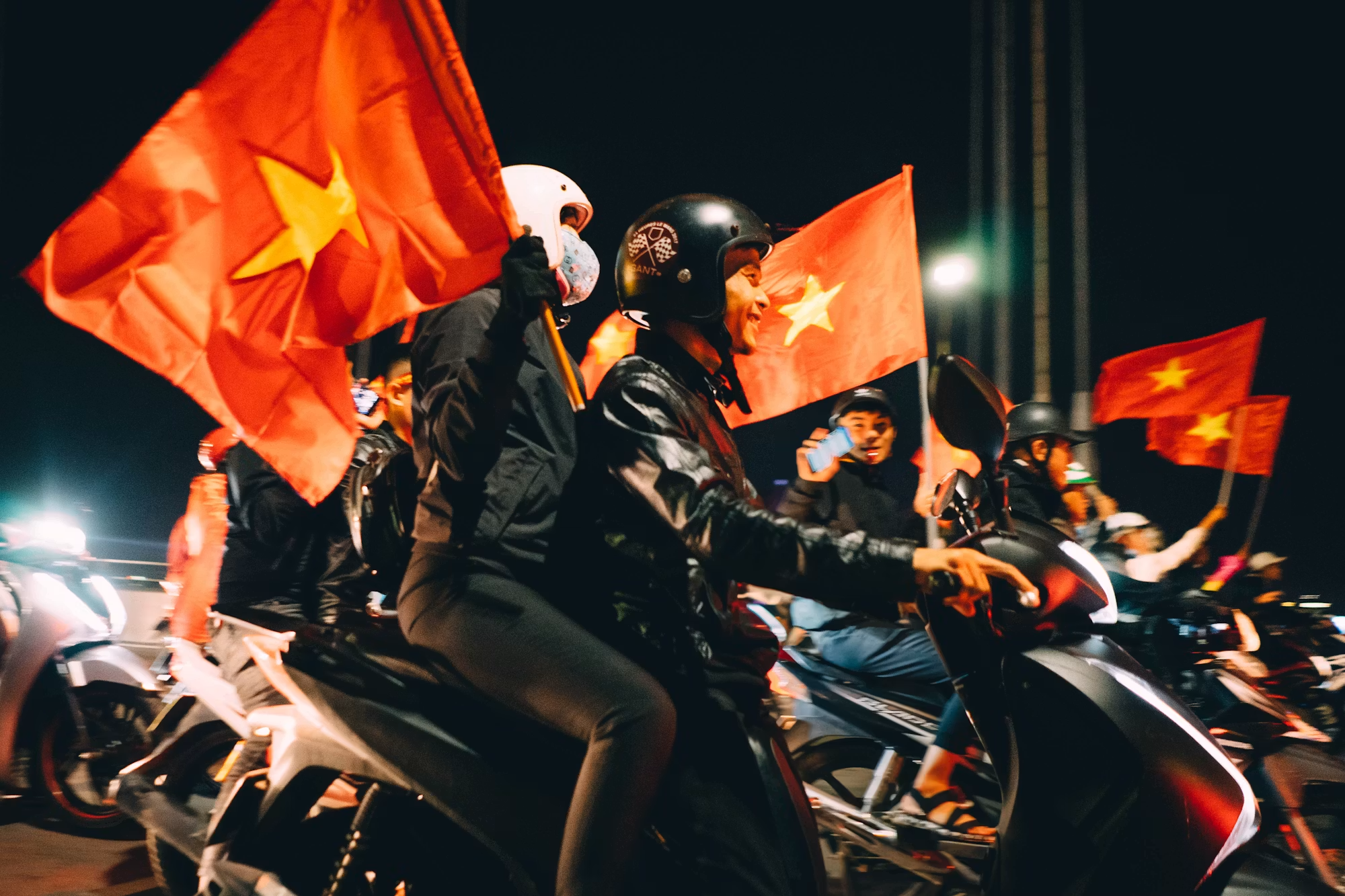
Soccer is often intertwined with national identity, serving as a source of pride for countries around the world. Major international tournaments, such as the FIFA World Cup, provide a platform for nations to showcase their talent and spirit. The passion and fervor exhibited by fans during these events highlight how deeply embedded soccer is in the cultural fabric of societies.
In many countries, the national team represents more than just a group of athletes; it embodies the hopes, dreams, and aspirations of an entire nation. The success of a national team can uplift a country’s morale and foster a sense of unity among its citizens. For instance, when the Italian national team won the World Cup, it not only celebrated their footballing prowess but also reignited national pride during challenging times.
Conversely, the defeat of a national team can evoke feelings of disappointment and introspection, as fans reflect on their shared identity and aspirations. This emotional connection between soccer and national identity underscores the profound impact the sport has on societies, highlighting its role in shaping collective memories and narratives.
Global Connections and Cultural Exchange
Soccer serves as a bridge, connecting people across different cultures and backgrounds. The globalization of the sport has facilitated cultural exchanges, allowing fans to engage with soccer in diverse ways. International leagues and tournaments attract attention from fans worldwide, creating a shared experience that transcends geographical boundaries.
For example, European clubs like FC Barcelona and Manchester United have developed massive global followings, with fans from various continents embracing their unique styles of play and philosophies. This global fanbase fosters cultural understanding, as supporters from different backgrounds come together to celebrate their shared love for the game.
Moreover, international competitions, such as the UEFA Champions League, showcase the rich tapestry of cultures represented in soccer. Fans from diverse backgrounds gather in stadiums or watch from afar, united in their support for their favorite teams. These interactions promote cross-cultural dialogue, as people share stories, traditions, and experiences related to soccer.
The Role of Soccer in Social Change
Beyond its recreational aspects, soccer has been a powerful tool for social change. Numerous initiatives leverage the sport to address social issues, promote inclusivity, and empower marginalized communities. Organizations and clubs worldwide utilize soccer as a platform to raise awareness about critical social issues, such as racism, gender equality, and poverty.
Programs that focus on youth development often emphasize education and life skills alongside soccer training. By engaging young people in soccer, these initiatives provide them with opportunities for personal growth and development, instilling values that extend beyond the game. For instance, organizations like Street Soccer USA use soccer to empower homeless individuals, helping them gain confidence and find pathways to employment and housing.
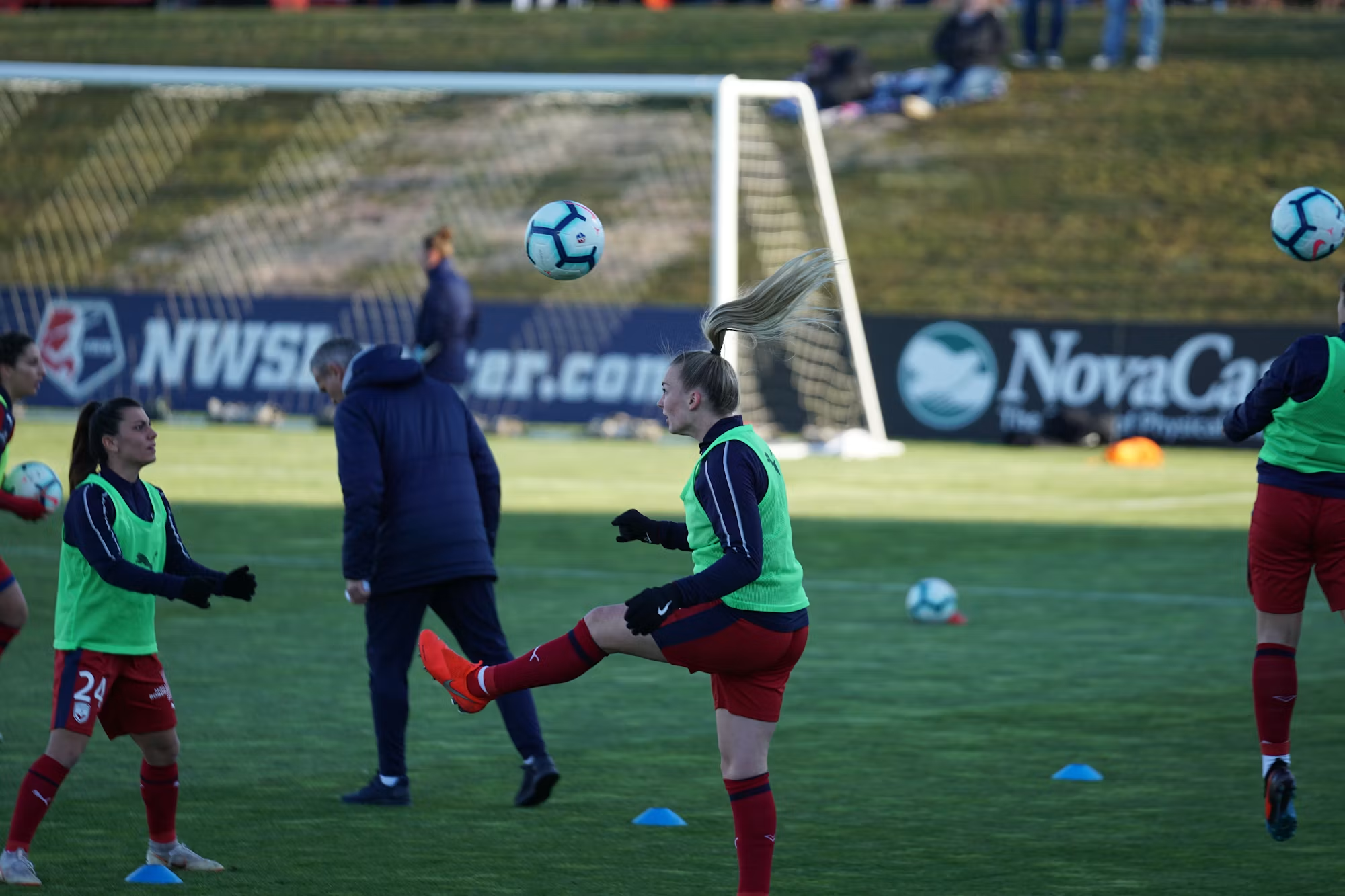
Furthermore, soccer has the potential to challenge stereotypes and break down barriers. The increasing visibility of female soccer players and leagues has contributed to a broader conversation about gender equality in sports. As women’s soccer continues to gain recognition, it inspires young girls to pursue their dreams, fostering a more inclusive environment within the sport.
Soccer and Emotional Connections
The emotional connections people develop with soccer are profound and multifaceted. For many, supporting a team is a lifelong commitment, forming a crucial part of their identity. The rituals associated with game days, from wearing team colors to singing chants, create a sense of belonging and shared experience among fans.
The highs and lows of following a soccer team can evoke a wide range of emotions, from elation during victories to heartbreak in defeat. These experiences are often shared with family and friends, strengthening social bonds and creating a community of support. Soccer, in this sense, becomes a shared narrative that people recount over generations, with stories of legendary matches and iconic players becoming part of familial lore.
Conclusion
In conclusion, the cultural impact of soccer extends far beyond the field, shaping communities, identities, and social dynamics around the world. As a powerful vehicle for community building, national pride, and social change, soccer fosters connections among people from diverse backgrounds. Whether through local clubs or international tournaments, the beautiful game continues to inspire and unite, highlighting its enduring significance in our global culture. As we look to the future, the role of soccer as a catalyst for positive change will undoubtedly persist, reinforcing its status as more than just a game.