Team sports are more than just games; they are a fundamental aspect of human interaction, offering opportunities for personal development, community building, and the cultivation of lifelong skills. Engaging in activities such as soccer, basketball, and volleyball fosters connections among players, promotes a sense of belonging, and instills important values. This article delves into the multifaceted benefits of team sports, examining their impact on individuals and society as a whole.
The Essence of Team Sports
At their core, team sports emphasize collaboration and mutual effort. Players unite under a shared goal, which fosters strong bonds and creates a sense of community. This collective spirit teaches individuals the importance of teamwork, as they learn to rely on one another’s strengths and skills to achieve success. The relationships formed on the field often extend beyond the game, leading to friendships and networks that can last a lifetime.
Participating in team sports also provides essential life lessons that contribute to personal growth. From learning how to communicate effectively to developing leadership qualities, the skills gained through sports are invaluable. The dynamics of teamwork create an environment where personal and social development can thrive, ultimately benefiting individuals and their communities.
Varieties of Team Sports
Team sports come in numerous forms, each offering unique challenges and experiences. Here are some popular examples:
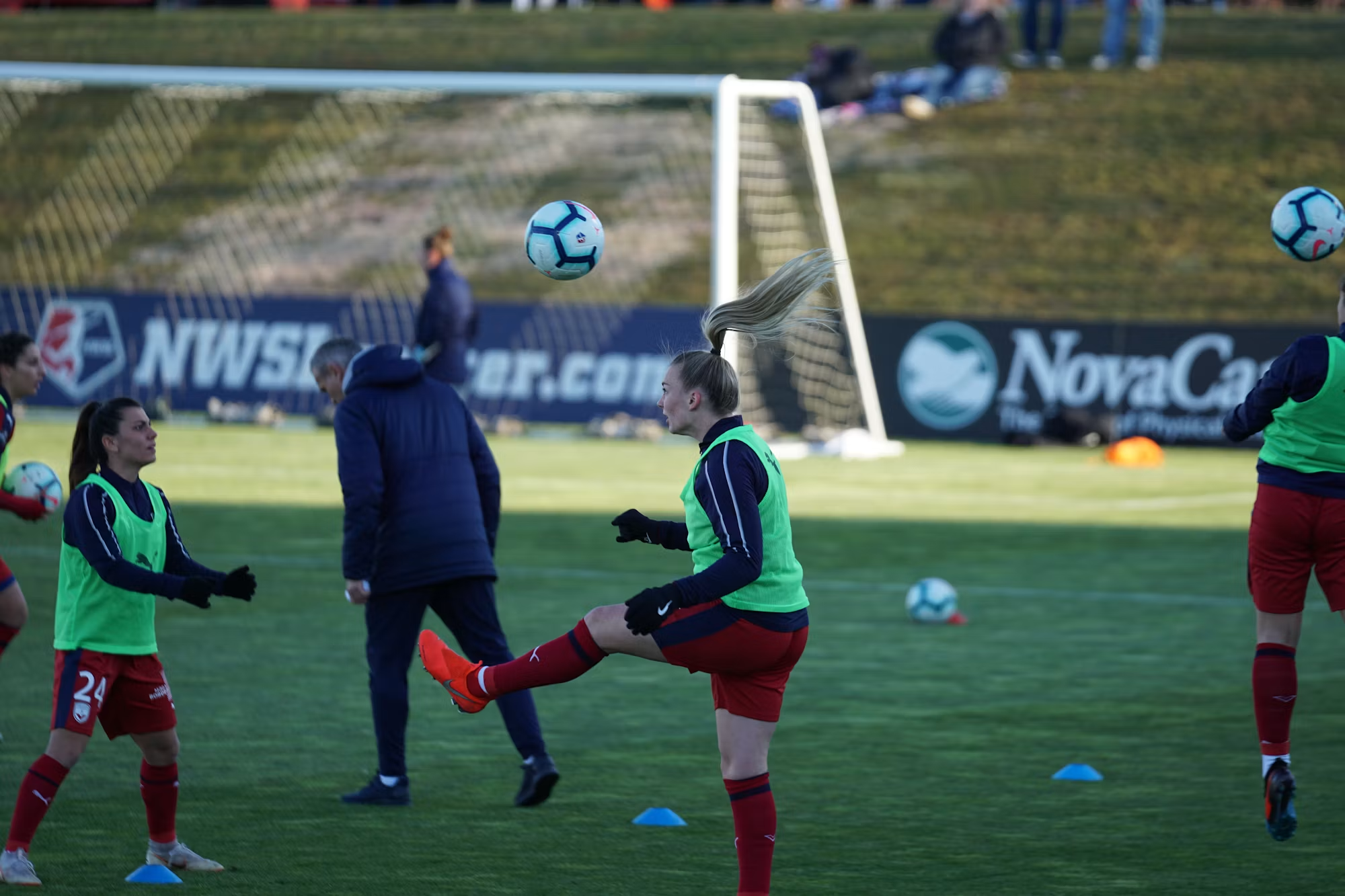
1. Soccer: Known as football in most parts of the world, soccer is the most widely played team sport. With two teams of eleven players, the objective is to score goals by getting a ball into the opponent’s net. Soccer emphasizes teamwork, communication, and strategic thinking, as players must constantly coordinate their movements and adapt to the dynamics of the game.
2. Basketball: This fast-paced sport features two teams of five players competing to score points by shooting a ball through a hoop. Basketball requires agility, quick decision-making, and strong teamwork, as players must communicate effectively to create scoring opportunities and execute defensive plays.
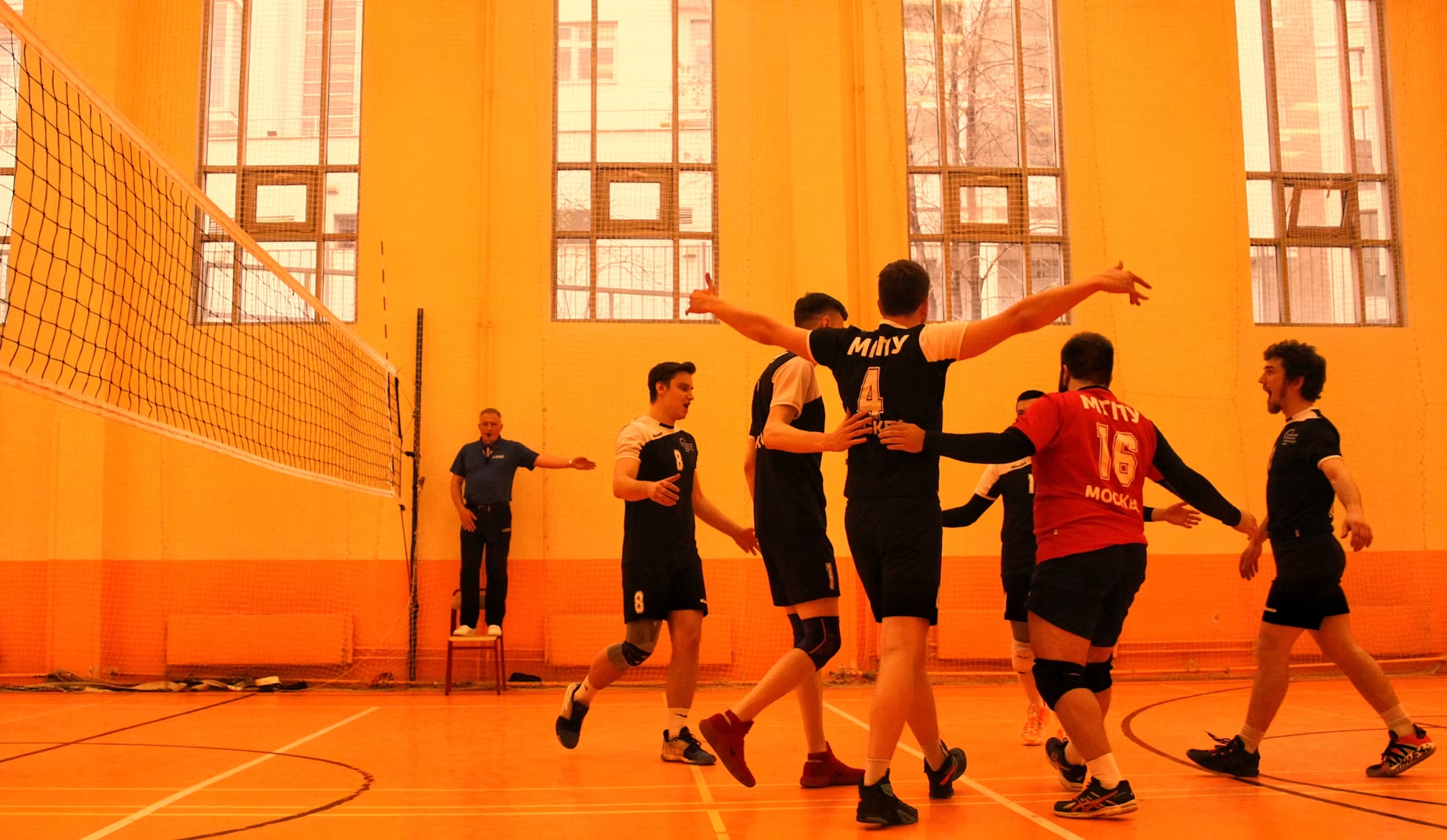
3. Volleyball: Played on a court divided by a high net, volleyball involves two teams that aim to score points by sending a ball over the net and landing it in the opponent’s court. Effective communication and coordination are vital, as players must work together to set up plays and defend against attacks.
4. Baseball: With roots in the 18th century, baseball is a classic American pastime. Two teams of nine players take turns batting and fielding, relying on strategic planning and teamwork to score runs. The sport encourages players to depend on one another, fostering a strong sense of unity and collaboration.
5. Rugby: This physically demanding sport involves two teams competing to carry or kick a ball to score points. Rugby emphasizes teamwork and strategy, requiring players to communicate effectively and work together to achieve success. The sport also instills respect for opponents, which is a crucial element of sportsmanship.
These diverse team sports not only entertain but also serve as essential avenues for personal and social development, teaching invaluable skills in a supportive environment.
Historical Context of Team Sports
The history of team sports is rich and varied, reflecting the evolution of human interaction and competition. Evidence of early team-like games can be traced back to ancient civilizations, where activities resembling soccer and ball games were prevalent. These early forms of play laid the groundwork for the organized sports we enjoy today.
The 19th century marked a pivotal moment in the history of team sports, as industrialization and urbanization created new opportunities for organized leisure activities. The establishment of formal rules and leagues transformed casual games into structured competitions, fostering a culture of sportsmanship and community engagement. For example, the formation of the English Football Association in 1863 helped standardize the rules of soccer, paving the way for its global popularity.
Personal Development Through Team Sports
Engaging in team sports offers numerous benefits that contribute to personal development. Here are some key areas where athletes can grow:
– Communication Skills: Effective communication is vital in team sports. Players learn to articulate their thoughts, share strategies, and provide constructive feedback, enhancing their ability to communicate in everyday life.
– Leadership Qualities: Many team sports provide opportunities for individuals to take on leadership roles, whether as captains or by leading through example. This experience fosters confidence and the ability to motivate others, essential traits in both sports and professional settings.
– Conflict Resolution: Disagreements may arise during practices or games. Navigating these conflicts teaches athletes how to address issues constructively, promoting teamwork and understanding.
– Resilience: Team sports often involve overcoming obstacles, such as losing a game or facing tough opponents. This resilience instills a strong work ethic and determination to succeed, both in sports and in life.
– Time Management: Balancing training, competitions, and other commitments teaches athletes how to manage their time effectively, a crucial skill in today’s fast-paced world.
These skills not only enhance athletic performance but also prepare individuals for a range of challenges they may encounter in life, making team sports a vital part of personal development.
Cultural Significance of Team Sports
Team sports hold a significant place in many cultures, serving as a source of pride and unity. Local teams often become focal points for communities, creating bonds among residents. The shared experience of supporting a team fosters a sense of belonging, transcending social and economic differences.
Rivalries between teams can also invigorate communities, igniting passion and excitement among fans. Game days turn into community events, bringing people together to celebrate their teams. This sense of collective identity and pride in local teams contributes significantly to the cultural fabric of society, reinforcing the idea that sports can unite diverse groups around a common passion.
The Role of Coaches and Team Management
Behind every successful team is a dedicated coaching staff. Coaches play a crucial role in developing players’ skills and shaping their attitudes and values. A great coach understands the importance of fostering a positive team environment, where athletes feel supported and encouraged to grow.
Effective coaching requires a blend of knowledge, empathy, and communication. Coaches must adapt their strategies to suit the unique dynamics of their teams, promoting inclusivity and cooperation. By instilling a strong work ethic and a sense of accountability, coaches prepare athletes for both competition and life beyond sports.
The Importance of Sportsmanship
Sportsmanship is a fundamental principle in team sports, emphasizing respect for opponents and adherence to the rules of the game. Good sportsmanship fosters a positive atmosphere, encouraging players to conduct themselves with integrity, whether in victory or defeat.
Promoting sportsmanship instills important values such as humility and respect. Athletes learn to appreciate their opponents, creating a culture of mutual respect both on and off the field. Addressing unsportsmanlike behavior is crucial for maintaining the integrity of sports and ensuring a positive experience for all involved.
Conclusion: The Enduring Impact of Team Sports
In conclusion, team sports are far more than just a form of entertainment; they are a powerful medium for personal growth, community building, and cultural enrichment. By emphasizing collaboration and shared goals, team sports teach valuable life lessons that extend well beyond the playing field. As we embrace the spirit of teamwork, we recognize the profound impact that these sports have on our lives, shaping individuals and communities alike. The legacy of team sports will continue to inspire future generations, reinforcing the importance of unity, respect, and collaboration in all aspects of life.